TL;DR. A beauty brand ships new shades and collections all year, and every drop needs campaign images before the launch date. A styled on-model shoot runs $150 to $500 or more per image, which does not pencil out when you launch every few weeks. AI beauty product photography closes that gap on one condition: the images have to look like your actual product. Get lifestyle context and product fidelity both right and you can shoot every collection without a studio, in about 72 hours per drop.
Beauty runs on launches. A new lipstick range in spring, a limited edition for the holidays, a reformulated serum with fresh packaging: each one needs its own set of images, and the launch date does not move. The old way was a shoot: photographer, studio, model, a few weeks of lead time, and an invoice that only makes sense if you are spreading it across a large collection. Styled lifestyle images with a model sit at the top of the price list because the model and stylist are the biggest line items. For a brand dropping something new every few weeks, that math breaks.
AI beauty product photography is the obvious answer, and it mostly works. The catch is the objection every beauty brand raises first: AI images never look like the real product. In beauty that objection carries more weight than in most categories, because the customer is buying a shade and a finish they can only judge from the picture. So there are two things a beauty brand needs from AI, and the rest of this piece is both: images that look like a real campaign and images that match what ships. Get both and the drop calendar stops being a photography problem.
What a beauty brand needs from a drop
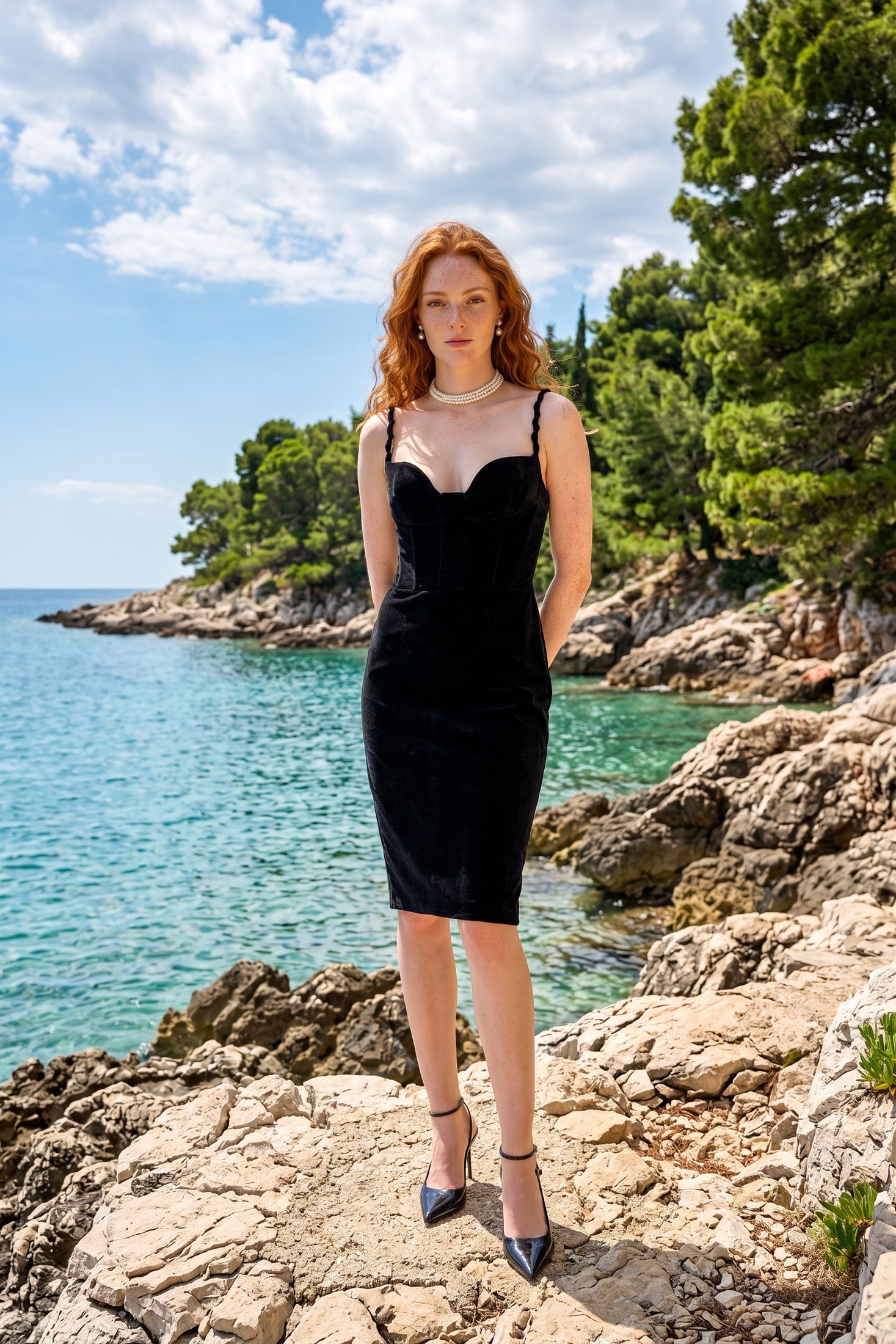
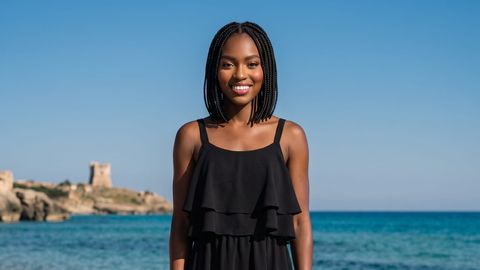
Start with the images themselves, because a shade-accurate photo on a plain white background does not sell a launch. Beauty sells on context. The compact styled on a marble vanity, the serum in soft morning light, the lipstick held against skin, the full range shot as one family so the collection reads as a collection. That lifestyle and campaign work is where AI earns its place, because it builds on-brand scenes for every SKU without rebooking a set for each new colorway.
This is also the part that scales with your calendar. A twelve-shade range needs twelve consistent hero images plus lifestyle variants, and they have to look like they came from the same session. Producing that set on-brand in a day is the difference between launching on time and moving the date. White-background packshots still have their place on the marketplace listing. We wrote about why the white-background default costs sales, but the images that carry a launch are the ones with a scene around the product.
One practical habit follows from this. Treat imagery as part of the launch, not an afterthought once the product is ready. The moment a collection has a date, decide which shots carry it: the lifestyle hero, the range shot, the on-model application. Brief them together so the set reads as one campaign rather than a pile of separate images. Our note on which product images move conversion is a useful filter for what to prioritize when the list gets long.
Getting AI beauty product photography that looks like your product
Now the fidelity question, because it is the one that stops brands from publishing. The honest position is that AI is excellent at scene, light, and styling, and less reliable at exact color on certain materials. A generator left alone pushes a muted rose toward a vivid red. It is built to make an image look good, not to match a swatch. In beauty a shade miss is the product itself, not a rounding error. A shade that reads as one color online and arrives as another is the fastest way to turn a launch into a pile of returns.
The fix is checking the output against the real product before it goes live, not avoiding AI. A human eye on every image catches the wrong shade or the too-glossy finish that no model ever will. When a brand sends Vision a drop, a person reviews each image against the product photo. For shades that have to be exact, the brand supplies a Pantone reference or a physical sample. That settles most of the color question before generation starts. That review step is what lets you publish a launch without waiting to hear from a customer that the lipstick showed up as a different color.
So the rule for anything color-critical is simple. Give the process a real reference before generation, not after. Then have someone confirm the result matches the product rather than trusting the render. For the shades that have to be exact, a Pantone code or a physical sample is the single cheapest way to avoid a reshoot. The scene, the light, and the mood are where you let AI do the heavy lifting.
Shooting every collection without a shoot
With fidelity handled, the point of all this is speed and cost per drop. Per-SKU pricing means you can try it on one collection instead of committing to a full shoot budget, and a 72-hour turnaround means you order at the start of the week and publish by Thursday. For a brand that launches often, that turns imagery from a bottleneck into a step you can keep pace with. Set against $150 to $500 per styled image from a traditional shoot, the per-drop math is what makes launching on schedule realistic again.
There is a second beauty-specific wrinkle worth naming. On-model application shots are a strong sell and a real fidelity risk at once: the swatch on skin, the gloss on lips, the cream blended on a cheek are what the buyer is judging. If you produce them, hold the model’s skin and the product finish to the same standard you hold the swatch. Our piece on when on-model beats a flat lay covers where that framing helps and where it adds risk.
The realistic way to run AI beauty product photography at volume
All of this is doable on your own. A brand with one range and a spare afternoon can build the scenes, eyeball each shade against the tube, and get a clean set out. The trouble is that beauty brands do not drop once. They drop every few weeks, and the checking is what slips when the fifth launch of the quarter lands on a Friday.
Treat that checking step as a fixed cost of the calendar, not a one-time setup task. Whoever checks shade and finish against the real product needs to do it on every drop, including the one that lands at the worst time. Skip that drop and the fidelity work earlier in this piece stops holding. AI product photography regulations covers the EU disclosure rules for AI-generated imagery, worth a check if you sell there.
Take your next launch date and list the images it needs before it goes live. If that list would mean booking a shoot you cannot fit in time or budget, that drop is where AI beauty product photography earns its place. Start with a single collection.
References
- Photta, product photographer rates 2026 (per-image and lifestyle shoot costs): https://www.photta.app/blog/product-photographer-rates-2026